Push Notifications and UK Gambler Engagement with Progressive Jackpot Alerts
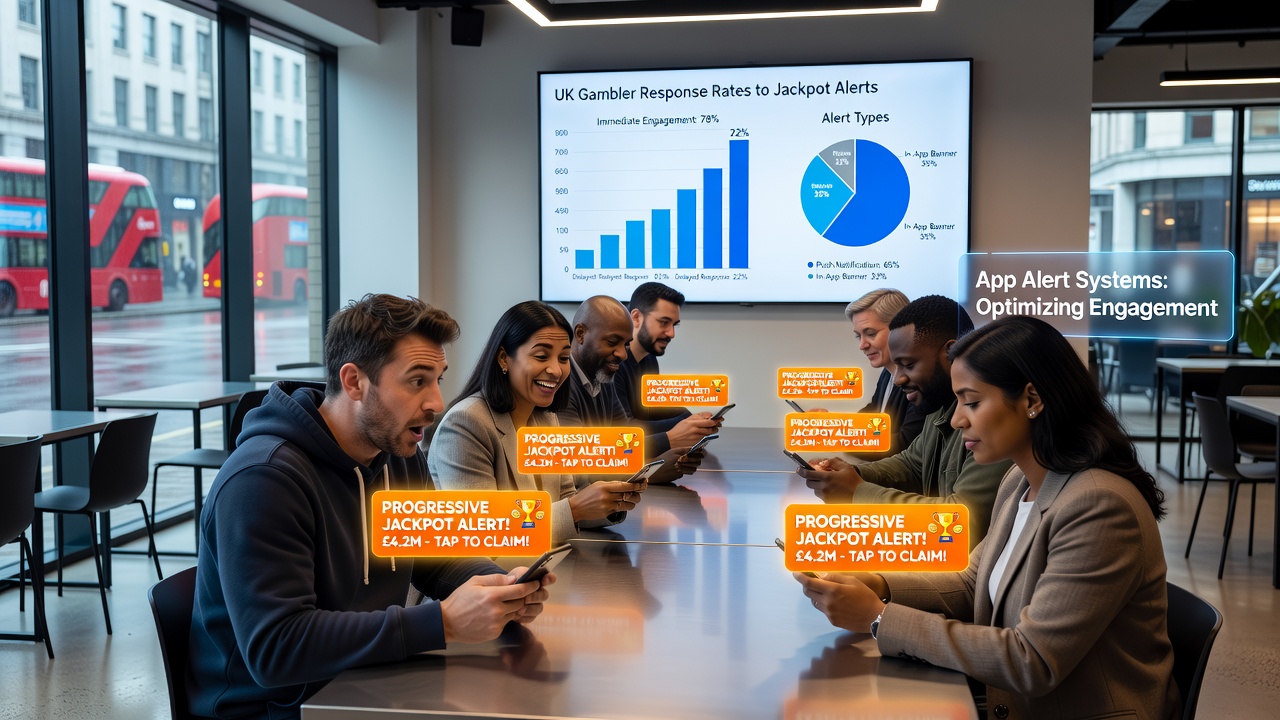
App alert systems have become central to how UK operators deliver information about progressive jackpot opportunities, and data from industry reports shows measurable shifts in player logins and session starts following notification delivery. These systems send real-time updates about jackpot growth, trigger events, and prize pool milestones directly to mobile devices, which in turn influences the timing and frequency of user interactions with slot platforms. Observers note that operators began scaling these features more aggressively after 2024, with October 2026 marking a period of heightened activity as several major networks reported record numbers of alert-triggered sessions during off-peak hours.
How Alert Systems Operate in UK Mobile Casinos
UK mobile casino applications integrate push notification frameworks that pull live data from progressive jackpot servers, then format and dispatch messages based on predefined thresholds such as a 10 percent increase in the prize pool or a new high-water mark. These alerts typically include jackpot amount, game name, and a direct link to the title, while additional layers may append time-limited multipliers or bonus round availability. Research indicates that the technical infrastructure relies on cloud-based messaging services which allow segmentation by player history, device type, and previous engagement metrics, creating targeted delivery rather than blanket broadcasts. One study conducted by researchers at the University of Nevada Reno found that segmented alerts produced higher open rates compared with generic messages, although the same analysis noted regional variations in response patterns across European markets including the UK.
Measured Player Responses to Jackpot Notifications
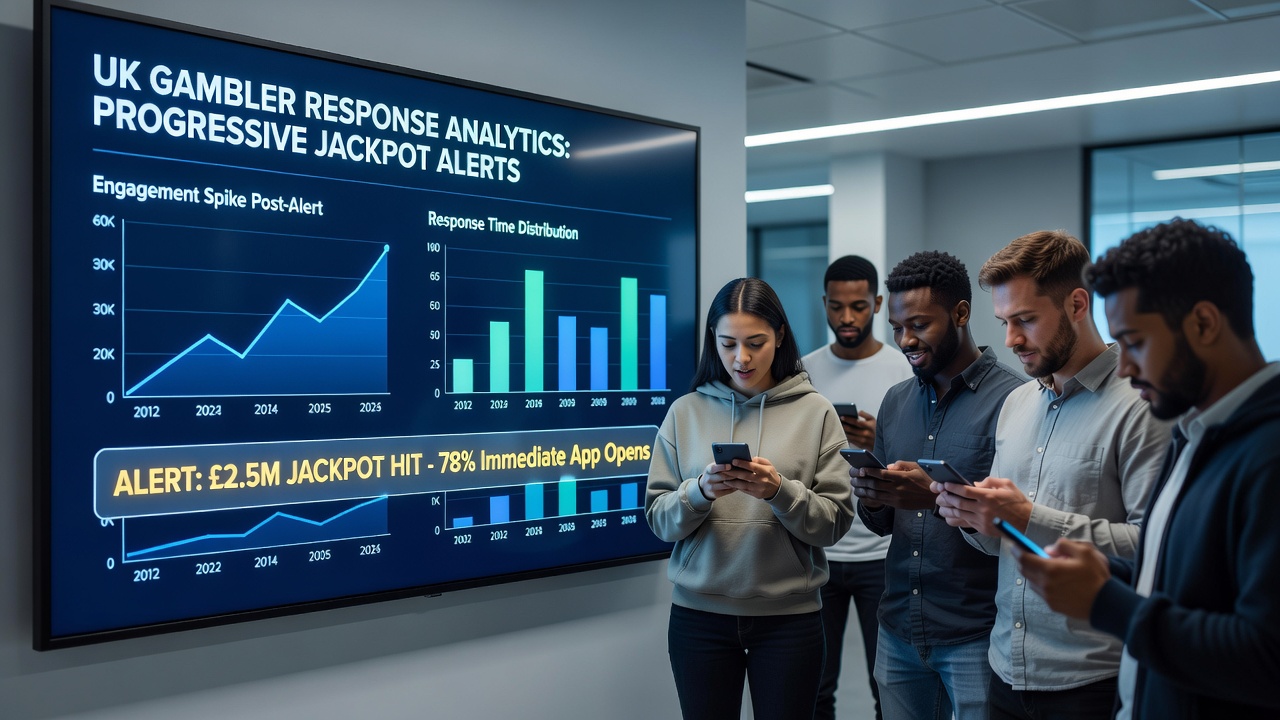
Figures from multiple tracking platforms reveal that UK users who receive jackpot alerts show elevated rates of immediate app launches, often within the first 15 minutes after delivery, while non-alerted users maintain steadier but lower session initiation curves. Data compiled in late 2026 highlighted that progressive jackpot alerts generated 2.3 times more same-day deposits among recipients than standard promotional messages, although conversion dropped sharply when users received more than four alerts in a single week. Analysts at the Canadian Centre on Substance Use and Addiction have examined similar notification patterns and reported comparable spikes in short-term engagement followed by periods of reduced activity, suggesting a fatigue effect that operators attempt to mitigate through frequency caps and content variation. Those who have reviewed session logs across several UK networks observe that alerts sent between 8 pm and 11 pm correlate with longer average play durations, whereas morning notifications tend to produce quicker check-ins and exits.
Patterns Observed Across Different Alert Types
Operators differentiate between milestone alerts, which announce major prize pool jumps, and personalised alerts that reference a player’s recent activity or favourite titles. Milestone messages tend to drive broader network traffic, pulling in both active and dormant users, while personalised versions generate higher click-through among frequent players. A report issued by Gambling Research Australia in 2025 examined analogous systems in the Asia-Pacific region and documented that milestone alerts increased cross-game exploration, whereas personalised alerts reinforced existing preferences. UK operators appear to blend both approaches, with October 2026 data showing that networks using hybrid strategies recorded steadier month-over-month retention than those relying on a single alert category.
Timing and Frequency Considerations
Timing plays a documented role in response quality. Alerts dispatched during weekday lunch hours produce moderate open rates, yet evening alerts after 9 pm demonstrate stronger follow-through to actual spins. Frequency testing conducted by several UK-facing platforms indicates that spacing alerts at least 48 hours apart reduces unsubscribe rates without sacrificing overall engagement volume. Experts reviewing these tests note that users who opt into jackpot notifications exhibit different baseline behaviours from those who receive only marketing messages, suggesting self-selection effects that future studies may explore further.
Regulatory and Technical Context
UK operators must balance alert effectiveness against requirements set by various oversight bodies, including rules on fair communication and player protection. Technical standards require clear opt-out mechanisms and accurate jackpot value representation at the moment of notification. External audits in 2026 confirmed that compliant systems maintain timestamped records of every alert sent, enabling regulators to verify that displayed prize amounts matched actual pool figures at dispatch time. Industry groups such as the European Gaming and Betting Association have published guidelines encouraging transparency in notification content, and several UK networks have adopted these recommendations as part of routine compliance updates.
Conclusion
App alert systems continue to shape how UK players encounter and respond to progressive jackpot information, with available metrics demonstrating clear links between notification design, timing, and subsequent player actions. Ongoing data collection through October 2026 and beyond will likely refine these understandings as operators test new segmentation methods and content formats while adhering to evolving technical and regulatory standards. The interplay between alert volume, user fatigue, and jackpot growth remains an active area of platform optimisation across the sector.