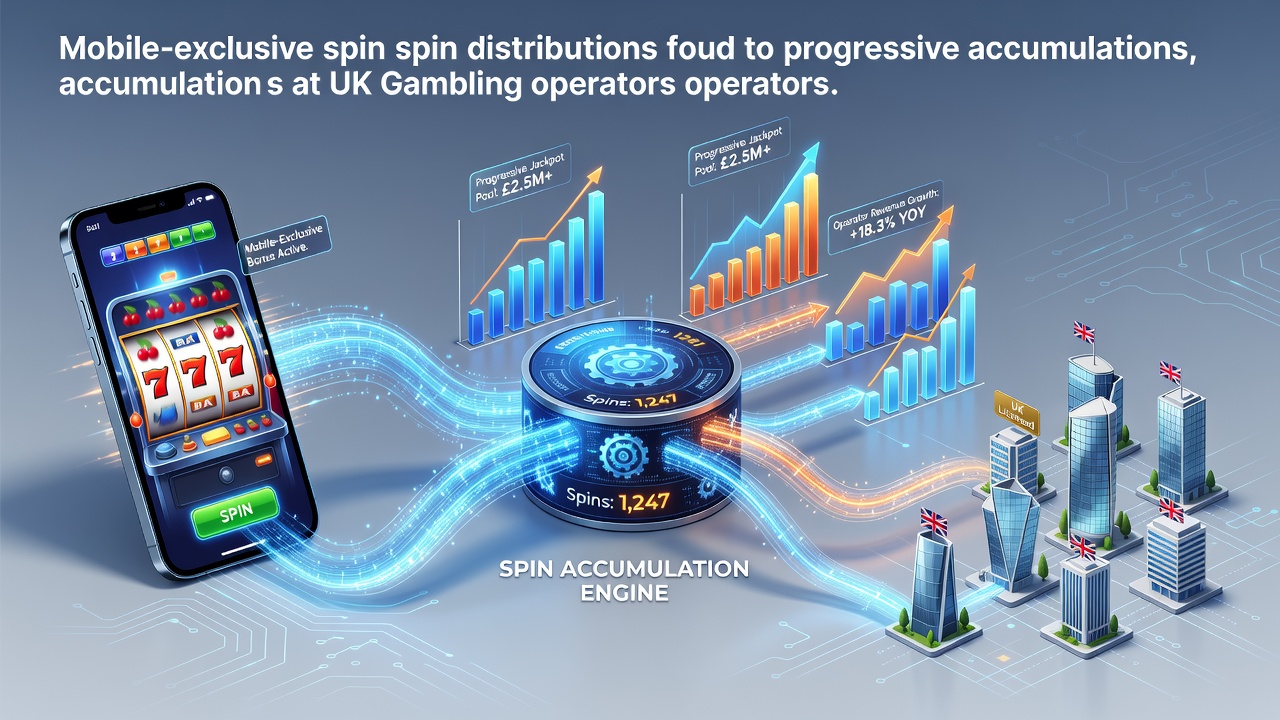
Mobile-Only Spin Allocations and Their Direct Role in Building Progressive Jackpot Pools at UK Operators
UK gambling operators have implemented mobile-exclusive spin distributions that feed directly into progressive accumulation systems, and these mechanisms operate through specific contribution rates tied to each spin. Data from industry reports indicate that a portion of every qualifying mobile spin contributes a fixed percentage to the jackpot pool, often ranging between 1 and 3 percent depending on the game configuration. This process differs from desktop play because mobile distributions frequently carry separate allocation rules that route contributions into shared progressive networks across multiple sites.
Operators structure these distributions so that mobile users receive spins through dedicated campaigns, and each spin triggers an automated transfer to the central progressive meter. According to figures released by the European Gaming and Betting Association, mobile traffic accounted for over 70 percent of progressive contributions in monitored UK networks during the first half of 2026. The systems use real-time tracking to ensure that only eligible spins from verified mobile sessions add to the pool, preventing desktop or tablet activity from mixing into the same accumulation stream.
Technical Allocation Rules in Mobile Spin Systems
Allocation rules begin at the game server level where mobile sessions receive unique identifiers that flag them for progressive contribution. When a player activates a mobile-exclusive spin, the software deducts the contribution amount before the outcome is determined, then updates the jackpot total across all linked games. This method maintains separate ledgers for mobile and non-mobile contributions, allowing operators to adjust rates independently without affecting other channels. Observers note that such separation supports regulatory compliance by providing clear audit trails for each distribution type.
Seed amounts for new progressive cycles often receive initial funding from mobile spin campaigns, and operators replenish these seeds through scheduled mobile distributions during low-traffic periods. In October 2026 several major UK platforms reported that mobile seed contributions had reached 45 percent of total progressive resets for the year. These figures come from aggregated operator disclosures that track contribution sources by device category.
Contribution Pathways and Network Integration
Progressive networks integrate mobile spin contributions through centralized clearing houses that aggregate data from multiple operators. Each qualifying spin sends a micro-transaction to the pool manager, and the system calculates the updated jackpot value within milliseconds. Researchers at the University of Nevada's International Gaming Institute have documented similar contribution models in other regulated markets, noting that device-specific rules help operators meet local licensing conditions while maintaining network integrity.
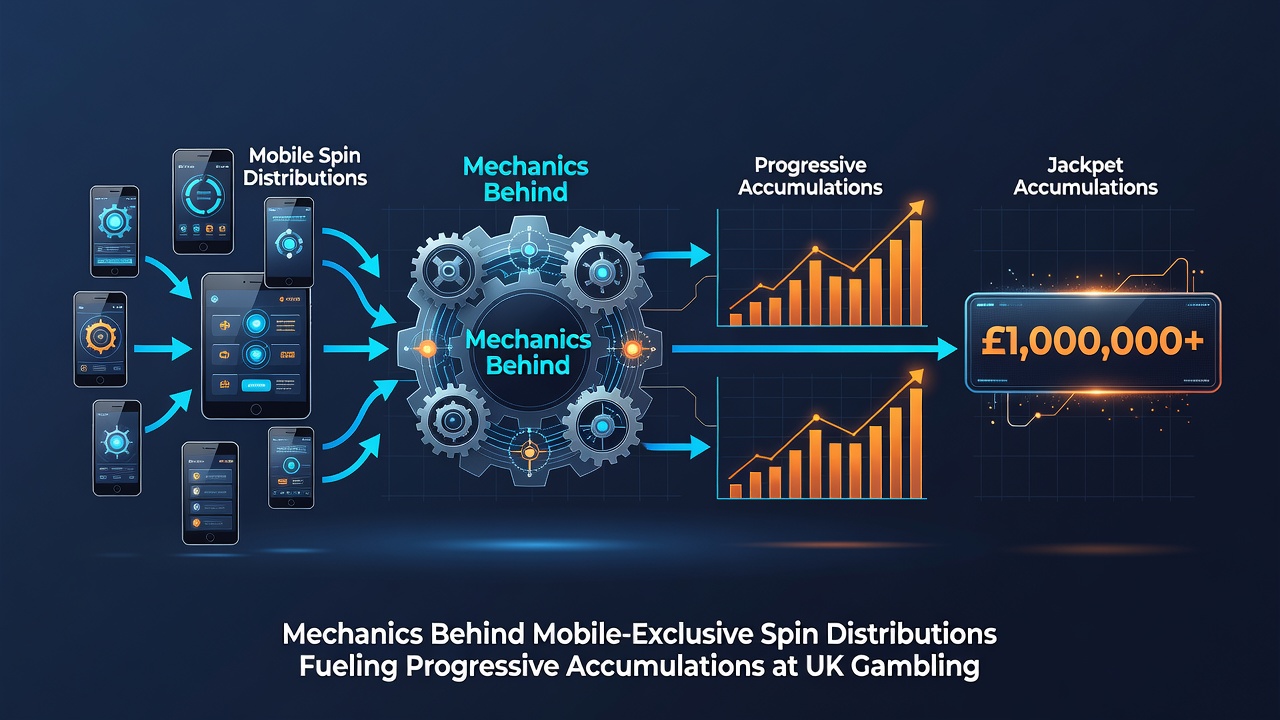
Integration extends to bonus-funded spins where mobile-exclusive offers carry built-in contribution flags. When a player redeems such a spin, the platform records both the bonus value and the progressive contribution in a single transaction log. This dual recording supports accurate reporting to licensing authorities and allows operators to verify that mobile distributions meet minimum contribution thresholds set by network agreements.
Device Detection and Eligibility Controls
Device detection software identifies mobile sessions through user-agent strings, screen resolution data, and connection protocols. Once confirmed as mobile, the session qualifies for exclusive spin distributions that carry progressive contribution rates. Operators update detection algorithms regularly to account for new device models and operating systems, ensuring that contributions remain accurate even as technology evolves. Those who manage these systems report that false positives for desktop sessions have dropped below 0.5 percent following recent updates implemented in early 2026.
Eligibility controls also include session duration and activity thresholds. A mobile spin must occur within an active verified account that meets minimum play requirements before the contribution registers. This prevents automated or scripted activity from inflating pools, and the controls align with broader responsible gaming frameworks used across UK platforms.
Impact on Jackpot Growth Rates
Progressive jackpot growth rates have shown measurable increases linked to mobile spin volumes. Industry data compiled through October 2026 indicate that networks relying heavily on mobile distributions experienced average daily growth rates 12 percent higher than those wth balanced device contributions. The difference stems from higher mobile spin frequency combined with the dedicated allocation percentages applied to those spins.
Reset events and major wins continue to draw from the same pooled funds regardless of contribution source, yet the steady input from mobile channels supports faster recovery times between payouts. Network operators adjust contribution percentages periodically based on volume forecasts, and mobile-exclusive campaigns often receive priority in these adjustments because of their consistent performance metrics.
Conclusion
The mechanics connecting mobile-exclusive spin distributions to progressive accumulations rely on device-specific tracking, automated contribution transfers, and centralized network management. These systems operate under documented allocation rules that separate mobile activity from other channels while feeding the same jackpot pools. As of October 2026, mobile contributions represent a substantial and growing segment of progressive funding at UK operators, supported by technical controls that maintain accuracy and compliance across networks.